INTERGENERATIONAL VOICES
Welcome to Intergenerational Voices, a blog where young scholars can share their ideas on climate change, regenerative economies, and the pursuit of an equitable financial system, and to collaborate across age groups for a better future. Join us as we foster dialogue and action for a greener, more just world.
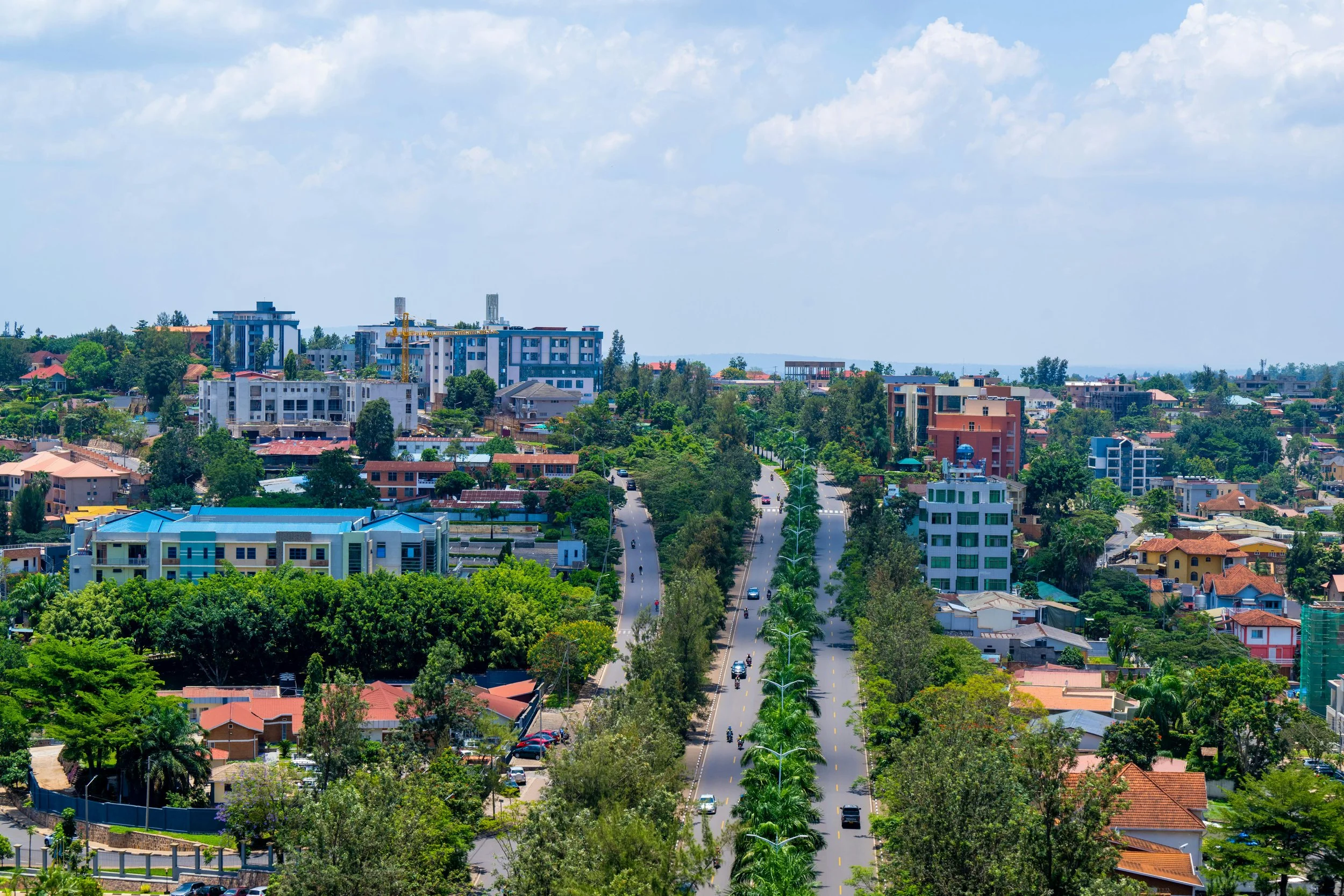
Over the past decade, the government has prioritized technological development as a pillar of national growth. The Ministry of ICT and Innovation has established initiatives around responsible AI governance, universities like Carnegie Mellon Africa have begun building research capacity, and local startups are experimenting with machine learning in sectors ranging from healthcare to financial services. However, a crucial detail is often overlooked: many of the foundations enabling Rwanda’s digital ecosystem are supported by international development institutions.
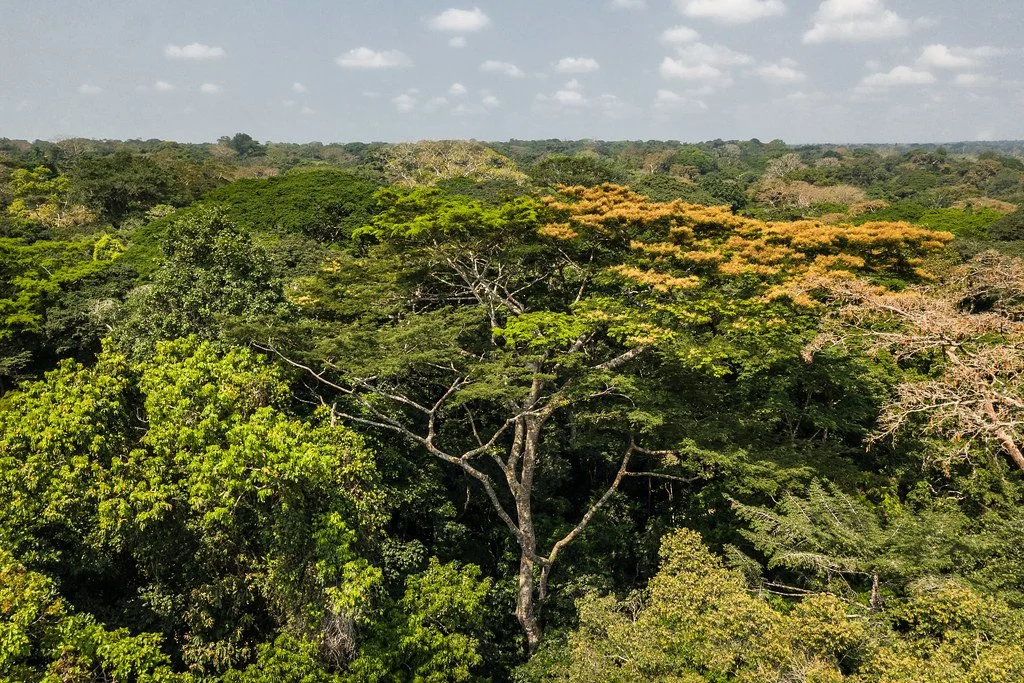
The Democratic Republic of Congo (DRC) has the second-largest rainforest in the world, absorbing tonnes of carbon on behalf of the planet, yet its debt carrying capacity is assessed by the International Monetary Fund (IMF) and World Bank (WB) using metrics that treat its natural capital as financially insignificant and economically invisible. The IMF and WB have long used Debt Sustainability Analysis (DSA) as a framework to support Low-Income Countries (LICs) in their borrowing decisions in a world that never had to price nature. That world no longer exists.
The U.S. dollar’s dominance has been anchored to the global dependency on fossil fuels to stimulate unfaltering demand for the currency—the petrodollar—and underpin American geopolitical unipolarity. However, Chinese solar panel infrastructure and the Chinese Renminbi are disrupting global energy markets and threatening global demand for fossil fuels and the dominance of the petrodollar system.
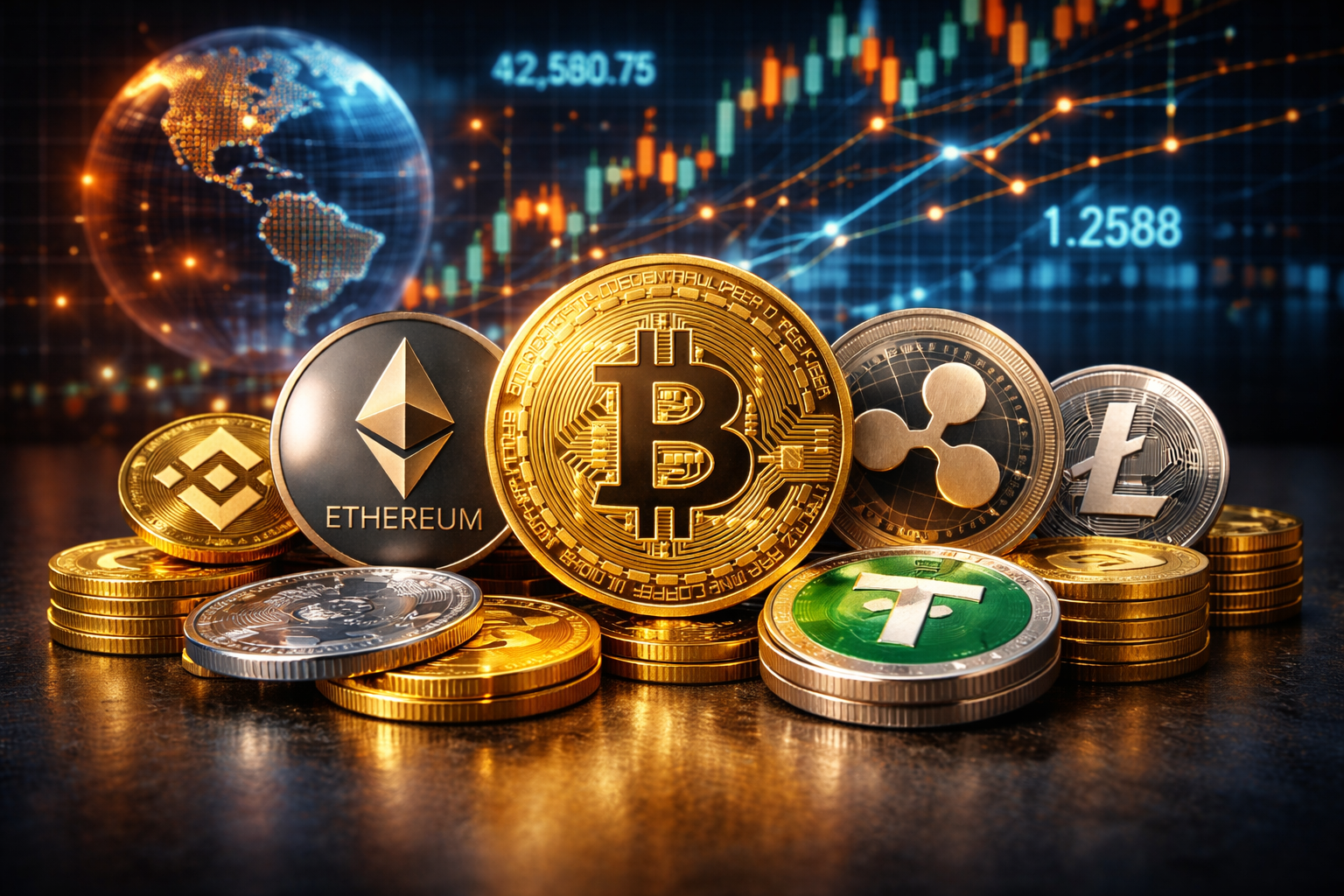
For many Turks, the instinct after receiving a paycheck in Lira is to convert it immediately into US dollars or gold. Besides the US dollar and gold, Turkish citizens widely used an alternative, Tether (USDT), a type of “digital dollar” designed to maintain a one-to-one value with the US dollar. Crypto adoption in countries like Turkey is driven not by technological enthusiasm but by necessity, and this behavior exposes structural gaps in the global financial architecture.
Climate change is unfolding at a higher frequency, with more devastating damage, and disproportionately impacting the vulnerable. Hurricane Beryl’s destruction in the Caribbean, Cyclones Judy and Kevin’s destructive paths through Vanuatu, and the intensifying droughts in the Pacific Islands are stark reminders that Small Island Developing States (SIDS) bear the brunt of climate disasters.
The air shimmered like molten glass, suffocating everything it touched. In an ordinary town in Uttar Pradesh, India, the sun rose like a merciless predator, each ray a lash of unbearable heat. Families crowded rooftops, their breaths shallow and their bodies drenched in sweat, as rivers boiled and the land cracked. By the end of the week, over twenty million lives would be lost.
Over the last two weeks, more than 65,000 delegates came together to work on the next global climate agreement at COP29 in Baku, Azerbaijan, the UN’s annual climate conference event. Held from Nov. 11 to Nov. 22 and unofficially dubbed as the “Finance COP,” many hoped that negotiations would result in an ambitious climate funding package for the world. Unfortunately, the goal of
“Try harder, try harder. Because our people, the climate army, the world, our planet, needs our action now.” Prime Minister of Barbados Mia Mottley took the world by storm with her powerful speech in 2021 at the opening of COP26 in Glasgow, UK.
Brazil's motto for its upcoming Group of Twenty (G20) presidency: "Building a Just World and a Sustainable Planet, even in the face of geopolitical headwinds."
How can leaders in global finance address the climate crisis as they take on the urgent sovereign debt crisis?
Over half of the world’s GDP is estimated to be moderately or highly dependent on nature and its services